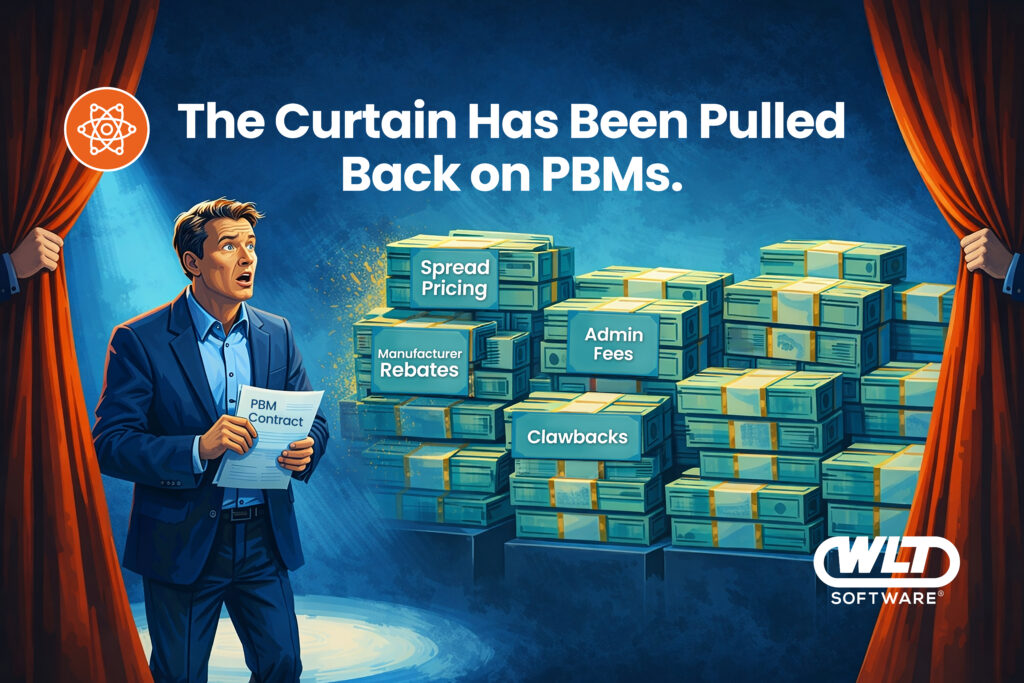
Federal Pharmacy Benefit Management (PBM) reform has officially moved from policy debate to enacted law. With new provisions in the Consolidated Appropriations Act of 2026 (CAA) and the Department of Labor’s proposed rule on PBM compensation disclosures, pharmacy benefit managers are entering a new era of transparency and oversight.
This shift carries significant implications for TPAs, plan sponsors, and benefit advisors.
What Changed?
CAA 2026 requires PBMs to provide detailed, drug-level reporting to plan sponsors, including:
- Gross and net spend
- Rebates received and remitted
- Spread pricing
- Administrative fees
- Formulary placement rationale
The Department of Labor’s proposed rule goes further by linking PBM compensation disclosures directly to ERISA fiduciary obligations.
For the first time, employers will have mandated visibility into how PBMs are compensated and whether that compensation is reasonable.
This is not incremental reform. It is structural transparency.
Who is on the Hook?
Under ERISA, fiduciary responsibility ultimately rests with the plan sponsor. Relying on a trusted broker, consultant, or TPA does not eliminate that obligation.
If required disclosures are not obtained, reviewed, and evaluated, plan sponsors could face fiduciary exposure.
Where do TPAs fit?
Many existing PBM contracts were not written with this level of disclosure in mind. Common gaps include:
- Restricted access to rebate data
- Limited audit rights
- Narrow or incomplete definitions of compensation
If these agreements are not updated, maintaining the same PBM could create compliance gaps.
The status quo is not a strategy. TPAs and advisors must actively evaluate whether current PBM arrangements satisfy the new statutory requirements.
This also raises a broader question: Will ERISA plaintiff firms begin scrutinizing PBM arrangements the same way they targeted excessive 401(k) fees? Given recent litigation trends, that possibility is difficult to ignore.
What Should TPAs Do Now?
Independent TPAs should implement a formal PBM compliance checklist that addresses:
- Federal reporting obligations
- Compensation disclosure requirements
- Audit rights and data access
- Pass-through pricing terms and fee transparency
- Documentation standards for fiduciary review
PBMS should be required to attest to their readiness and provide clear reporting timelines.
Transparency alone is not enough. Someone must analyze the data, benchmark compensation, and document the oversight process. That creates an opportunity for TPAs to elevate their role from claims processor to compliance partner.
Timing matters. Waiting until enforcement deadlines approach could leave plan sponsors exposed. Preparation should begin now.
What Happens to the PBM Business Model?
The traditional PBM model built on rebate retention, spread pricing, and opaque revenue streams is under pressure. Increased disclosure is likely to accelerate several shifts:
- Movement toward pass-through pricing and flat administrative fee structures, particularly in the employer market
- Margin compression as compensation becomes more visible and benchmarked
- Heightened scrutiny of vertically integrated PBMs that also own pharmacies
- Reduced ability to sustain opaque revenue streams under federal reporting mandates
There will undoubtedly be lobbying efforts to shape implementation details, and adjustments may occur. But the statutory transparency framework is now in place. The direction toward disclosure and fiduciary accountability appears durable.
Is This the Reform We’ve Been Waiting For?
At WLT, we are cautiously optimistic.
For years, prescription drug pricing operated behind a curtain. These reforms pull that curtain back and shift the focus toward accountability.
If implemented and enforced properly, this reform could:
- Provide employers with meaningful visibility into true pharmacy spend
- Require fiduciaries to actively monitor and document PBM oversight
- Create an opportunity for TPAs to elevate from administrator to strategic compliance partner
- Shift the conversation from opaque revenue streams to measurable accountability
The real test will be enforcement and execution. If regulators follow through and fiduciaries take their responsibilities seriously, this could mark the beginning of meaningful prescription drug cost reform. If not, we risk redistributing revenue without reducing underlying costs.
There are still unanswered questions. But for the first time in years, the conversation is centered on accountability.
That alone is a meaningful step forward.
To learn more about how PBM reform may impact your organization, check out our latest partner video on PBM reform, where we break down the key changes and what they mean for TPAs and employers.